


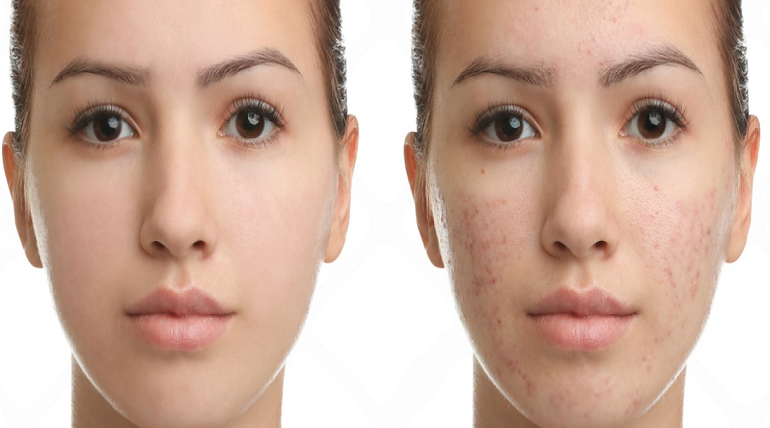
Acne. The word alone is enough to stir frustration for many of us. Whether you're dealing with the occasional breakout or a more persistent skin issue, acne can affect your confidence and quality of life. But here's the thing, not all acne is the same, and that means your approach to treating it shouldn't be either.
Here, we’ll break down the different types of acne, what causes them, and most importantly how to treat them effectively.
What they look like: Small, white bumps just beneath the surface of your skin.
What causes them: Clogged pores that stay closed at the surface.
Pro tip: Look for non-comedogenic (won’t clog pores) products to avoid making things worse.
What they look like: Tiny dark spots on your face, especially around the nose.
What causes them: Pores clogged with oil and dead skin that are exposed to air, which causes oxidation (not dirt!).
Avoid pore strips, while satisfying, they can irritate the skin and don’t prevent future blackheads.
What they look like: Small, red, inflamed bumps with no visible pus.
What causes them: Inflammation within the pore.
What they look like: Red bumps with a white or yellow center (aka, classic pimples).
What causes them: Infected clogged pores filled with pus.
What they look like: Large, painful lumps deep under the skin.
What causes them: Inflammation that goes deep into the layers of skin.
These typically don’t respond well to OTC products, professional care is recommended.
What they look like: Big, soft, pus-filled bumps that are painful and often linger for weeks.
What causes them: Severe inflammation deep within the skin layers.
What it looks like:Tiny, uniform red bumps, often on the forehead, chest, or back
What causes it: An overgrowth of yeast, not bacteria.
While mild to moderate acne can often be treated at home, it’s time to see a dermatologist if:
A dermatologist can tailor a treatment plan to your skin’s specific needs, including prescriptions and advanced treatments.
Acne is frustrating, but you’re not alone, and it is treatable. The key is to identify what type of acne you're dealing with and match it with the right treatment approach. Be patient, be consistent, and don’t be afraid to seek professional help when you need it.
Looking to build a skincare routine tailored to your acne type? Please book a skin consultation, we’d love to help!
 by Admin
Leave a comment