

What Is a Lipoma?

A lipoma is a benign (non-cancerous) lump made up of fatty tissue, usually located just beneath the skin. Lipomas are soft to the touch, moveable, and generally painless, though some can cause discomfort if they press on nearby nerves or grow in sensitive areas.

They most commonly appear on the:

  • Neck
  • Shoulders
  • Arms
  • Back
  • Thighs

While lipomas are not dangerous, many people choose to have them removed for cosmetic reasons, comfort, or peace of mind.

How Is a Lipoma Removed

At Bollin clinic, we specialise in minimally invasive lipoma removal using local anesthesia.

Our Process:

    1. Consultation & Examination

    We assess the size, location, and nature of the lump. In some cases, imaging may be recommended to confirm the diagnosis.

    2. In-Clinic Procedure
  • The area is numbed with local anesthesia.
  • A small incision is made.
  • The lipoma is gently removed, often in one piece.
  • The incision is closed with dissolvable or small sutures.
  • 3. Aftercare & Follow-up

    We provide detailed aftercare instructions and schedule a follow-up to ensure proper healing.
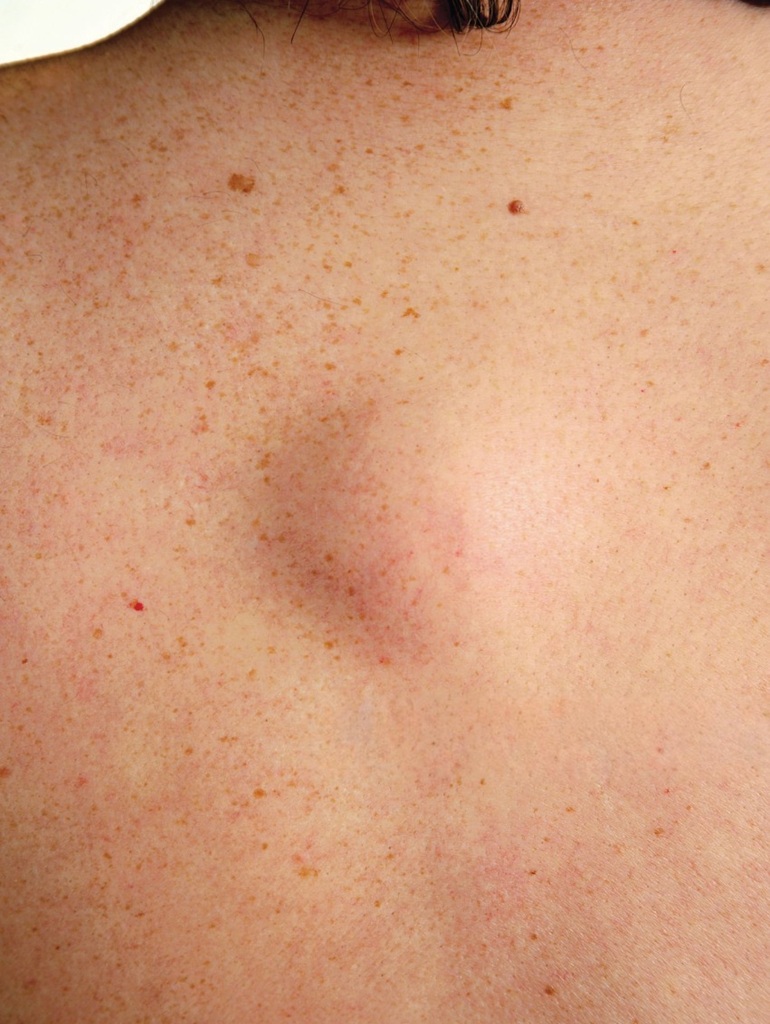
Best Lipoma Treatment in Altrincham, UK

Who Is Lipoma Removal For?

Lipoma removal may be suitable for you if:

  • The lump is growing or changing in shape
  • It causes discomfort or pain
  • It’s in a visible or bothersome location
  • You’d like it removed for cosmetic reasons
  • You’re unsure if the lump is a lipoma and want a professional assessment
See our faqs
Lipoma Treatment

Frequently asked questions

Is a lipoma cancerous?

No, lipomas are benign tumours and are not cancer. However, it's important to have any new lump checked by a professional.

Will it come back after removal?

Recurrence is rare, especially if the entire lipoma is removed. However, people who develop one lipoma may be prone to others.

Does removal hurt?

No. We use local anesthesia, so the procedure is painless. Mild discomfort or soreness after the procedure is common and manageable.

Can I leave a lipoma untreated?

Yes, if it’s small, painless, and not growing, it can be left alone. But monitoring it over time is important.