

blog
16 Sep

Hormones and Skin: Understanding the Connection in Women’s Health

Your skin is more than just a surface, it's a reflection of your internal health, especially your hormones. For women, hormonal fluctuations play a key role in how the skin looks, feels, and functions throughout life.

From breakouts and oiliness to dryness and premature aging, your hormones may be the real reason behind stubborn skin issues. In this article, we explore the powerful connection between hormones and skin health, and what you can do to restore balance and glow from the inside out.

What Are Hormones and How Do They Affect the Skin?

Hormones are chemical messengers that regulate everything from metabolism to mood and yes, even your skin.
In women, the main hormones affecting skin health include:

  • Estrogen - Promotes collagen, hydration, and elasticity
  • Progesterone - Affects oil production and water retention
  • Testosterone (and other androgens) - Promotes collagen, hydration, and elasticity
  • Cortisol - Affects oil production and water retention
  • Thyroid hormones - Affects oil production and water retention

Even slight imbalances in these hormones can lead to common skin concerns.

Hormonal Skin Changes Through the Life Stages

  1. Puberty - Increased androgens cause excess oil production, often leading to acne, especially on the T-zone (forehead, nose, chin). This is when many women first begin to experience breakouts.
  2. Menstrual Cycle - Ever notice breakouts right before your period? That’s due to the drop in estrogen and rise in progesterone and testosterone, which can lead to premenstrual acne, especially around the chin and jawline.
  3. Pregnancy - During pregnancy, estrogen levels surge, often resulting in the coveted “pregnancy glow.” But some women may experience melasma (dark patches on the skin), acne, or increased sensitivity due to hormonal shifts.
  4. Perimenopause and Menopause - As estrogen declines, skin becomes thinner, drier, and more prone to wrinkles. Collagen production drops, and elasticity is reduced. Some women may also experience adult acne due to the relative rise in testosterone.

Common Hormonal Skin Issues in Women

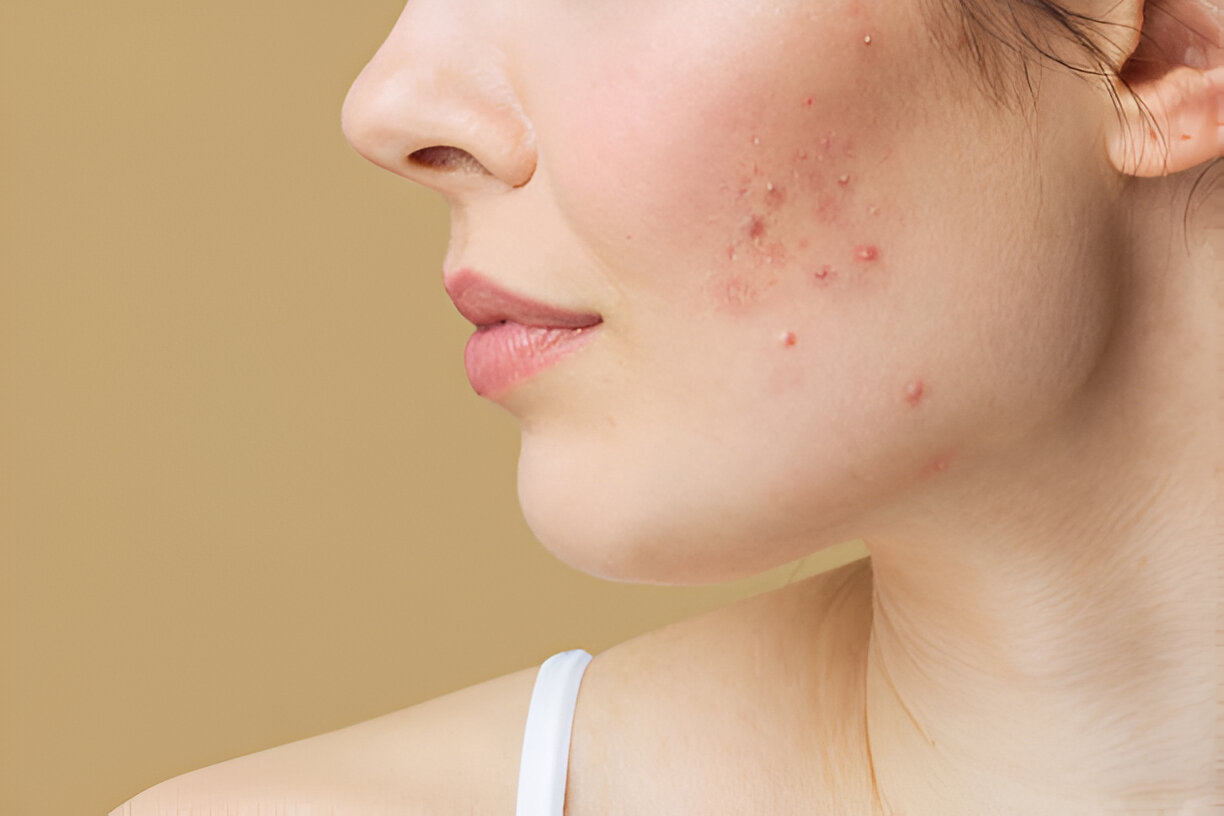
  1. Hormonal Acne
    • Typically appears on the lower face (jawline, chin, neck)
    • Often cyclical, worse before periods or during times of stress
    • Deep, cystic, and slow to heal
  2. Dry, Dull Skin
    • Caused by low estrogen (especially in menopause)
    • Skin may feel tight, itchy, or flaky
  3. Oily Skin & Enlarged Pores
    • Often related to high testosterone or progesterone
    • Can contribute to clogged pores and breakouts
  4. Hyperpigmentation (Melasma)
    • Dark patches triggered by estrogen and sun exposure
    • Common during pregnancy or with hormonal contraceptive use
  5. Skin Aging
    • Loss of estrogen = reduced collagen, sagging, fine lines
    • Skin becomes more fragile and takes longer to heal

How to Balance Hormones for Better Skin

  1. Eat for Hormonal Balance
    • Focus on anti-inflammatory foods: leafy greens, berries, omega-3 fats (salmon, chia seeds)
    • Reduce sugar and dairy, which can spike insulin and worsen acne
    • Cruciferous vegetables (broccoli, cauliflower) help metabolize excess estrogen
  2. Manage Stress
    • High cortisol triggers oil production and inflammation
    • Try yoga, deep breathing, journaling, or regular exercise
  3. Prioritize Sleep
    • Hormones regenerate overnight
    • Aim for 7–9 hours of quality sleep for skin cell repair
  4. Consider Supplements (with medical guidance)
    • Zinc, omega-3s, and vitamin D can support hormonal and skin health
    • Herbal remedies like spearmint tea or DIM (Diindolylmethane) may help regulate hormones naturally
  5. Skincare That Supports Hormonal Skin
    • Use salicylic acid or benzoyl peroxide for hormonal acne
    • Try niacinamide to regulate oil and calm inflammation
    • Add hyaluronic acid and ceramides for dry, aging skin
    • Always use broad-spectrum SPF—especially if prone to melasma

When to See a Professional

If skin issues persist despite good skincare habits, a deeper hormonal imbalance may be the root cause. Consult with:

  • A dermatologist for advanced skin treatments
  • An endocrinologist or gynecologist for hormone testing
  • A functional medicine doctor for a holistic approach to hormone health

Final Thoughts

Your skin is a mirror of your internal balance and hormones are often the missing puzzle piece. Whether you're battling breakouts, dryness, or signs of aging, understanding how your hormones affect your skin is the first step to lasting improvement.

By combining smart skincare with lifestyle shifts that support hormonal balance, you can glow from the inside out, naturally and sustainably.

Leave a comment