


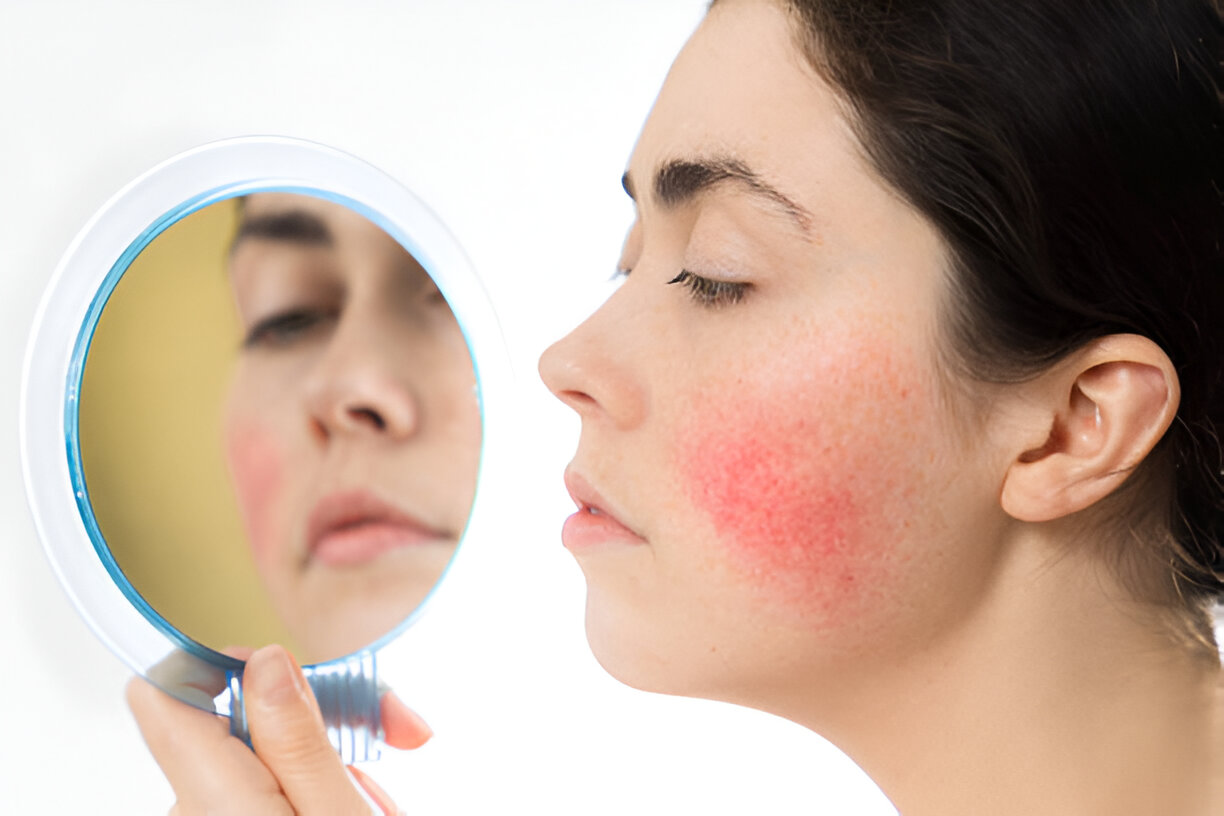
Rosacea is a common yet often misunderstood chronic skin condition that affects millions of people worldwide. Characterized by persistent redness, visible blood vessels, and sometimes acne-like bumps, rosacea can significantly impact both physical appearance and emotional well-being. Fortunately, with proper management and care, symptoms can be controlled and minimized.
Rosacea is a long-term skin condition that primarily affects the face, especially the cheeks, nose, forehead, and chin. It typically appears in adults over 30 and is more common in people with fair skin, though it can affect individuals of all skin tones.
While the exact cause of rosacea is still unknown, several factors may contribute to its development, including:
Rosacea symptoms can vary from person to person, but the most common signs include:
Because rosacea can resemble other skin conditions such as acne or eczema, it's important to get a professional diagnosis.
Many people with rosacea notice that certain factors can trigger flare-ups. Common triggers include:
Identifying and avoiding personal triggers is a key part of managing rosacea.
While there is no cure for rosacea, there are effective treatments available that can help manage symptoms and reduce flare-ups:
Living with rosacea can be challenging, but with the right knowledge and support, it is possible to control the condition and maintain healthy, clear skin. If you suspect you may have rosacea, consult a dermatologist to receive an accurate diagnosis and personalised treatment plan.
Our skincare experts are here to help you find the best treatments and products for your skin type. Contact Bollin Clinic today to schedule a skin consultation with one of our experts.
 by Admin
Leave a comment