

blog
16 Sep

Understanding Skin Pigmentation: Causes, Types, and Treatment Options

Skin pigmentation is a common concern affecting people of all ages and skin types. Whether you're dealing with dark spots, uneven tone, or stubborn patches, understanding the root cause of pigmentation is the first step toward clearer, more radiant skin.

In this blog, we’ll explore what pigmentation is, why it occurs, and what treatment options are available to help restore an even, glowing complexion.

What Is Skin Pigmentation?

Skin pigmentation refers to the coloring of your skin, which is primarily determined by melanin, a natural pigment produced by cells called melanocytes. When these cells become damaged or overactive, it can lead to pigmentation disorders.

There are two main categories
  • Hyperpigmentation when patches of skin become darker than the surrounding area
  • Hypopigmentation when patches of skin become lighter than the surrounding area

Common Types of Pigmentation Issues

  1. Melasma - Often triggered by hormonal changes, melasma presents as brown or grey-brown patches, typically on the cheeks, forehead, or upper lip. It's more common in women, especially during pregnancy or when using hormonal contraceptives.
  2. Sunspots (Solar Lentigines) - Also known as age spots or liver spots, these appear due to prolonged sun exposure. They usually occur on sun-exposed areas like the face, chest, hands, and shoulders.
  3. Post-Inflammatory Hyperpigmentation (PIH) - This occurs after inflammation or injury to the skin, such as acne, eczema, or a skin procedure. It can leave behind dark marks even after the initial issue has healed.
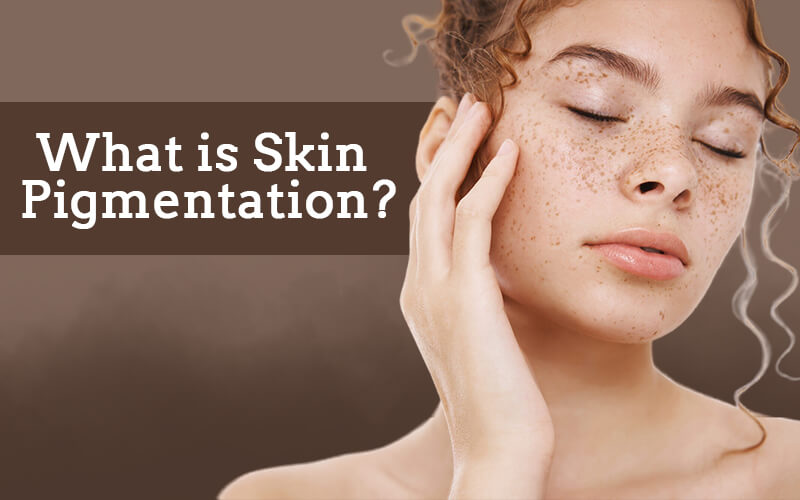
  4. Freckles - Small, flat brown marks that are genetic and become more pronounced with sun exposure.

What Causes Pigmentation?

Several factors can contribute to pigmentation disorders, including:

  • Sun exposure - UV rays stimulate melanin production, leading to sunspots and freckles.
  • Hormonal changes - Pregnancy, birth control pills, and menopause can trigger melasma.
  • Inflammation or injury - Any trauma to the skin (like acne, cuts, or burns) can lead to post-inflammatory hyperpigmentation.
  • Genetics - Some pigmentation conditions, such as freckles or certain birthmarks, are inherited.
  • Medications or medical conditions - Some medications and underlying health issues can also affect melanin production.

Treatment Options for Pigmentation

At Bollin Clinic, we offer a range of professional treatments tailored to different types of pigmentation. These may include:

  1. Topical Treatments
    • Prescription creams with ingredients like hydroquinone, retinoids, azelaic acid, or vitamin C can help lighten dark patches and improve skin tone.
  2. Chemical Peels
    • A series of chemical exfoliations can target pigmentation by removing damaged layers of skin and stimulating new cell growth.
  3. Microneedling
    • Also known as collagen induction therapy, microneedling can help reduce hyperpigmentation by encouraging skin renewal.
  4. Sun Protection
    • Daily use of a broad-spectrum SPF 30 or higher is essential. Preventing UV damage is the most important step in managing pigmentation and preventing it from returning.

How to Prevent Pigmentation

While some pigmentation issues are out of your control, many can be minimized or prevented by:

  • Wearing sunscreen daily, even on cloudy days
  • Wearing hats and protective clothing
  • Seeking professional advice for early signs of uneven tone
  • Following a correct skin care and treat

Book a Consultation

If you're struggling with pigmentation and want to explore your options, we’re here to help. Our team at Bollin Clinic offers personalised skin assessments and treatment plans designed to suit your individual skin needs.

Contact us today to book a consultation and take the first step toward clear, radiant skin.

Leave a comment